Skip to content
7 Virtues Test logo 7 Virtues Test
  1. Home
  2. Virtues
  3. 7 Virtues List & Meanings

7 Virtues List and Meanings Explorer

Read the 7 virtues list and meanings to compare the seven heavenly virtues with the cardinal and theological virtue lists.

Visual Companion

Switch between the seven heavenly virtues paired against the deadly sins and the classical four cardinal plus three theological virtues.

Kneeling sage-robed figure holding purple violets on warm cream paper, symbolizing Humility.
01 Humilitas Opposes Pride

Humility

An honest view of one’s strengths and limits without seeking status or taking sole credit.

Daily habit: Admit errors promptly, ask genuine questions, and credit teammates when group work succeeds.

Still life of peacock feathers beside a hand mirror on cream paper, symbolizing Pride.
Opposing sin: Pride Superbia · Symbol of Humility: Violet blossom
Symbol: Violet blossom
Rose-robed figure gently cupping a warm glowing flame on cream paper, symbolizing Charity.
02 Caritas Opposes Greed

Charity

Unselfish love and practical generosity that shares time, attention, or goods with others.

Daily habit: Offer help or resources when someone faces a shortfall without expecting public praise or repayment.

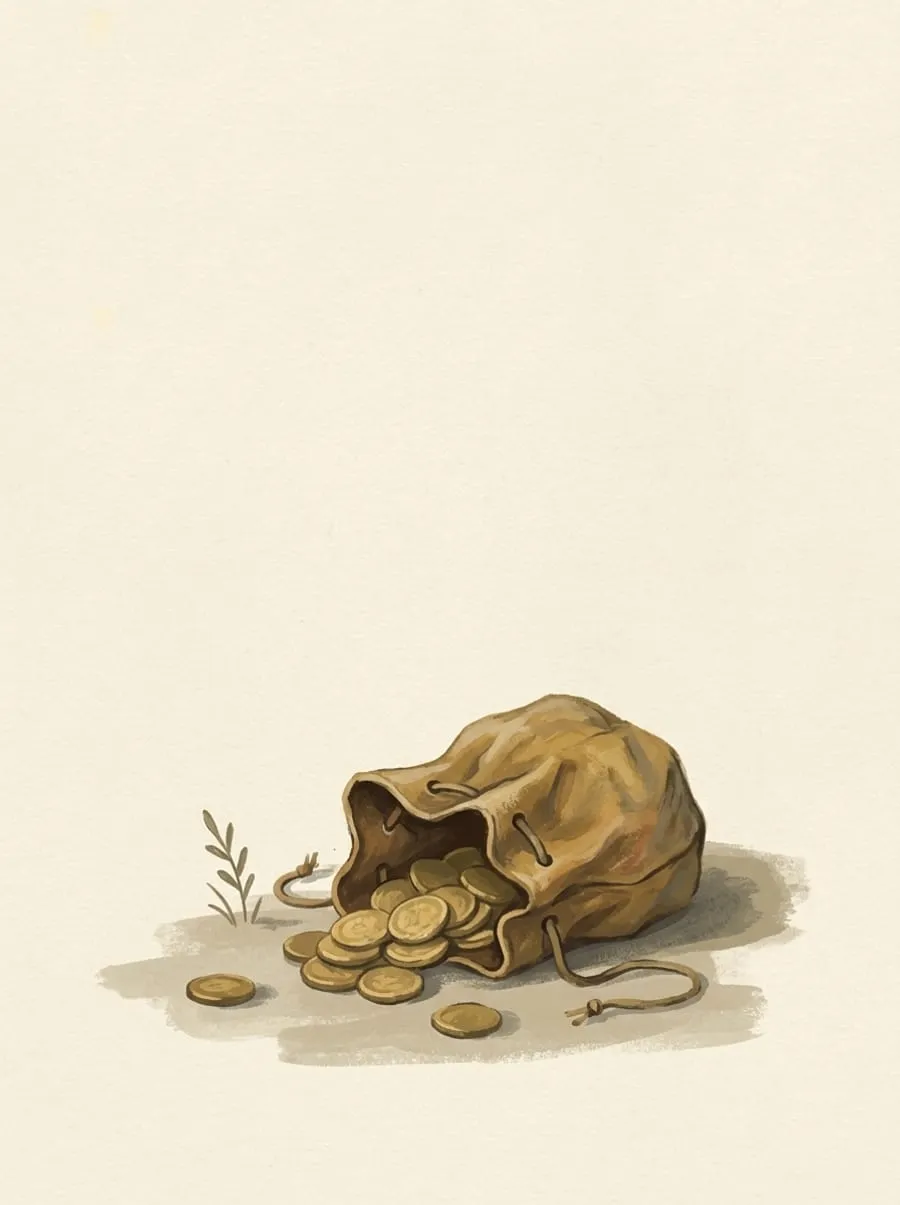
Still life of scattered gold coins spilling from a pouch on cream paper, symbolizing Greed.
Opposing sin: Greed Avaritia · Symbol of Charity: Warm flame
Symbol: Warm flame
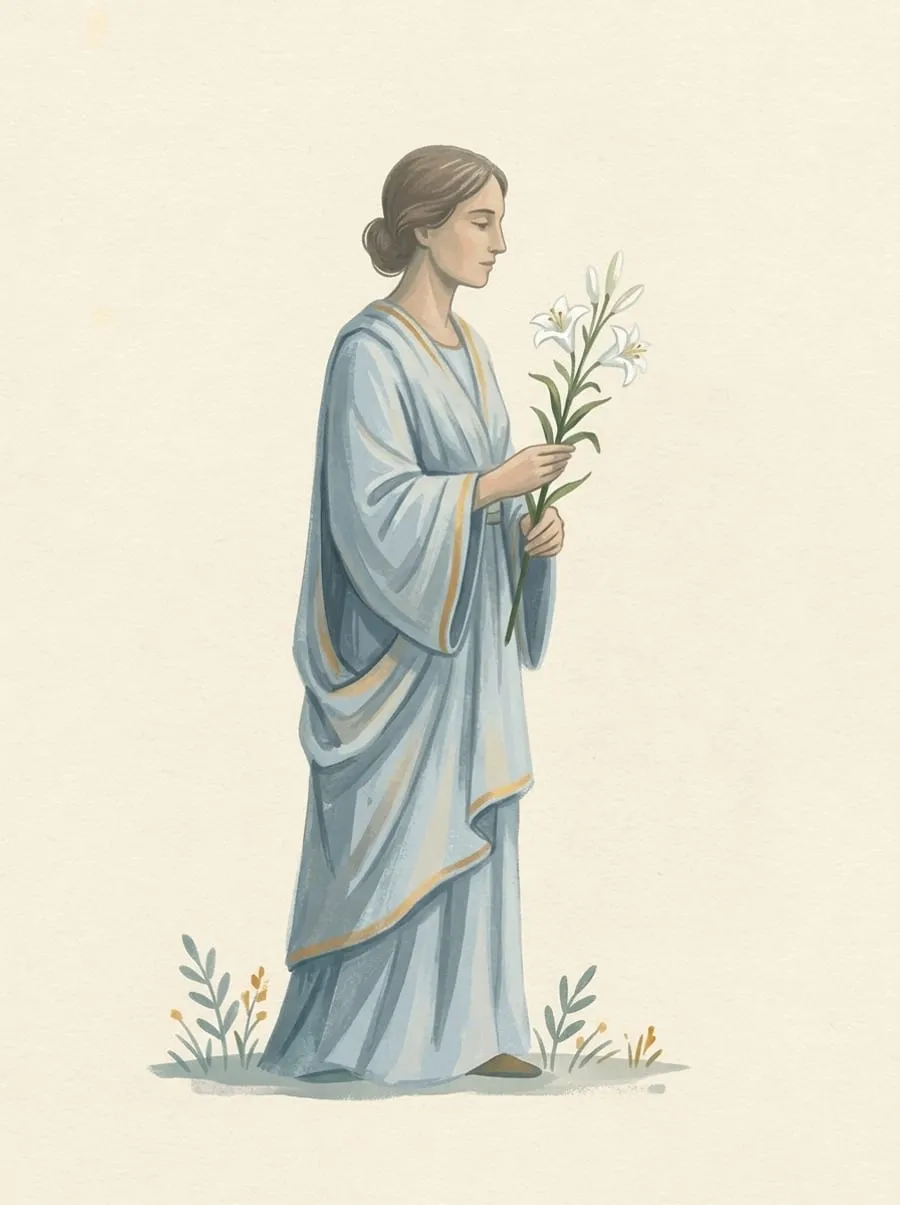
Calm figure in soft blue robes holding a white lily on cream paper, symbolizing Chastity.
03 Castitas Opposes Lust

Chastity

Self-governance over desire so attraction stays aligned with respect, loyalty, and personal boundaries.

Daily habit: Honor relationship commitments and clear consent boundaries in both public and private choices.

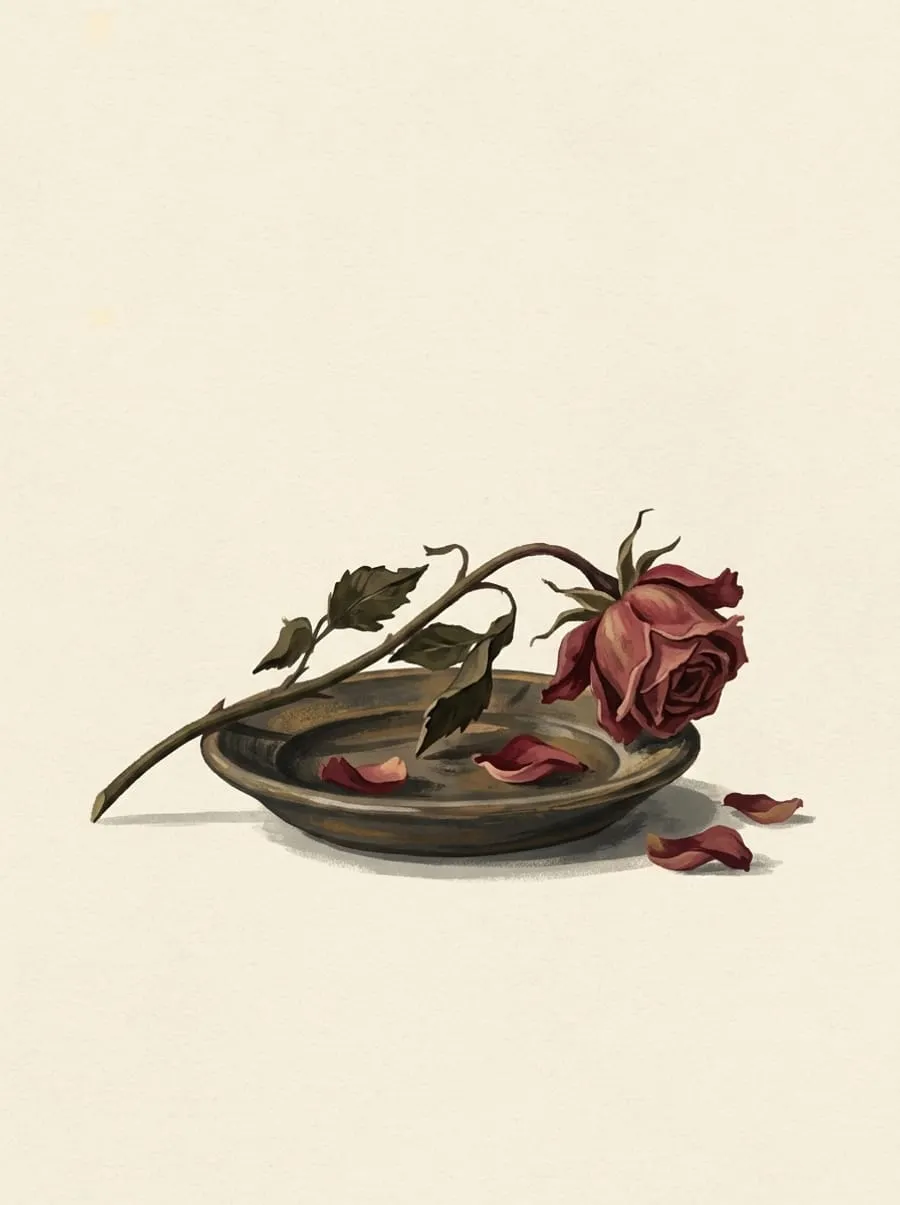
Still life of a wilting crimson rose with fallen petals on cream paper, symbolizing Lust.
Opposing sin: Lust Luxuria · Symbol of Chastity: White lily
Symbol: White lily
Coral-robed figure cradling a white dove with gentle hands on cream paper, symbolizing Kindness.
04 Humanitas Opposes Envy

Kindness

Active goodwill and gratitude that rejoices in another person’s success rather than resenting it.

Daily habit: Congratulate peers sincerely and check in on neighbors or friends going through difficult weeks.

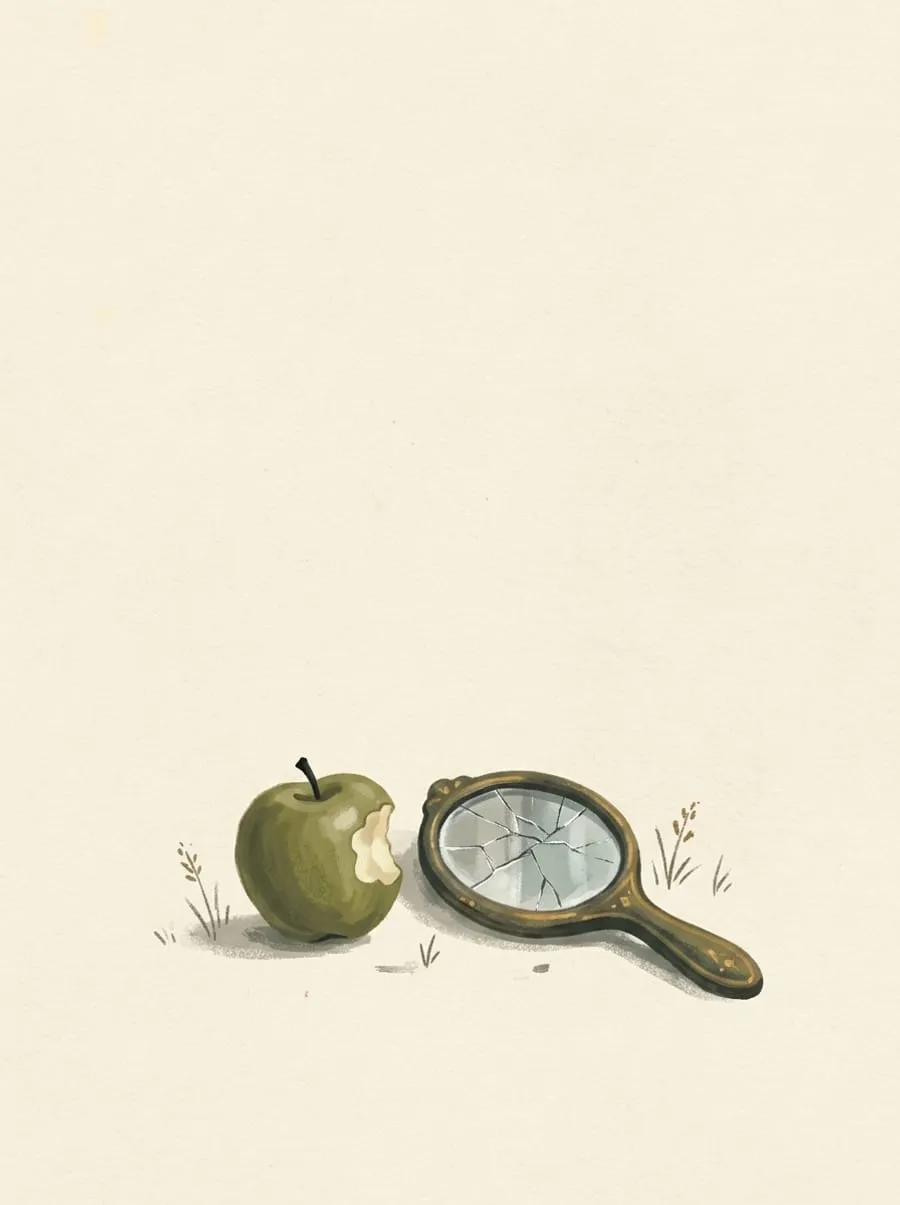
Still life of a bitten green apple beside a cracked mirror on cream paper, symbolizing Envy.
Opposing sin: Envy Invidia · Symbol of Kindness: White dove
Symbol: White dove
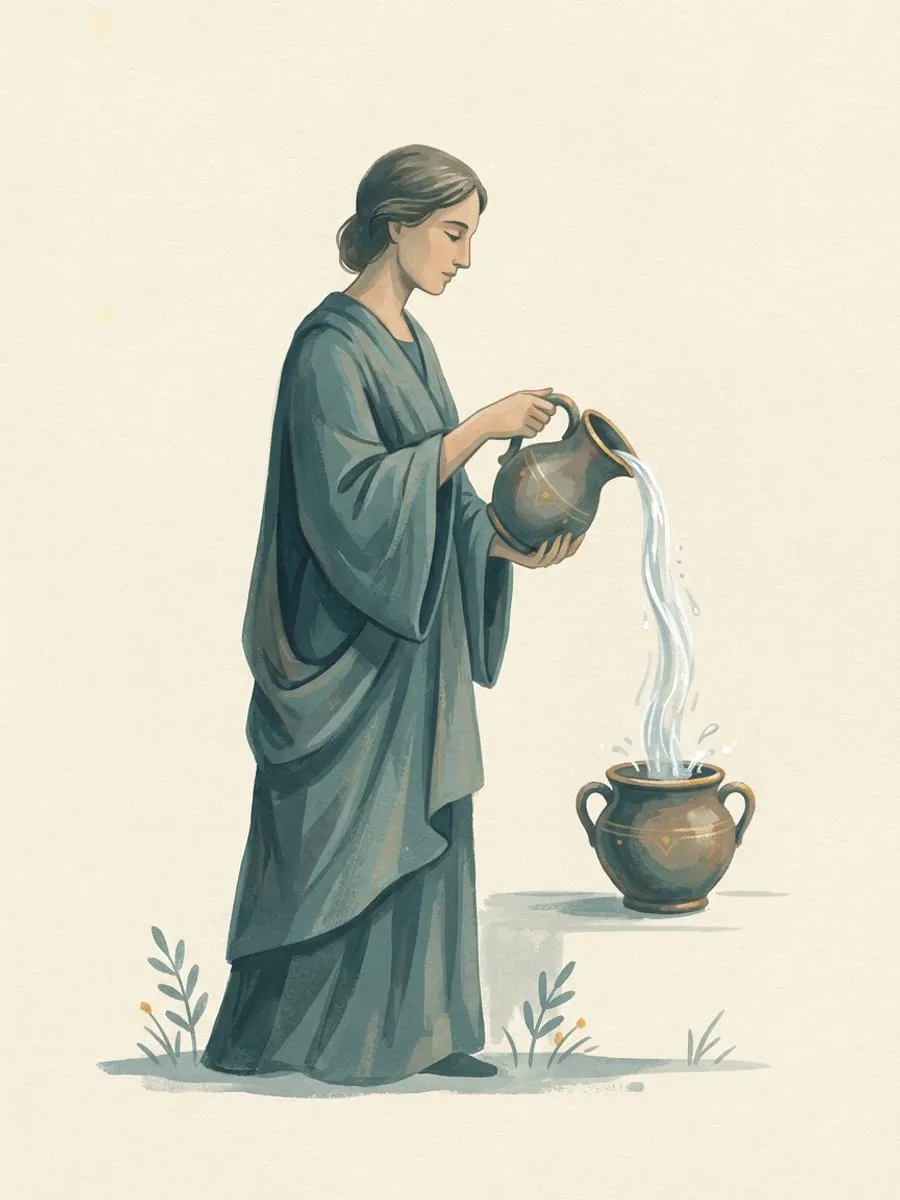
Teal-robed figure pouring water steadily between two clay vessels on cream paper, symbolizing Temperance.
05 Temperantia Opposes Gluttony

Temperance

Measured restraint over appetite and pleasure so enjoyment stays within healthy, chosen limits.

Daily habit: Decide comfortable limits for food, spending, or screen time beforehand and stop while still satisfied.

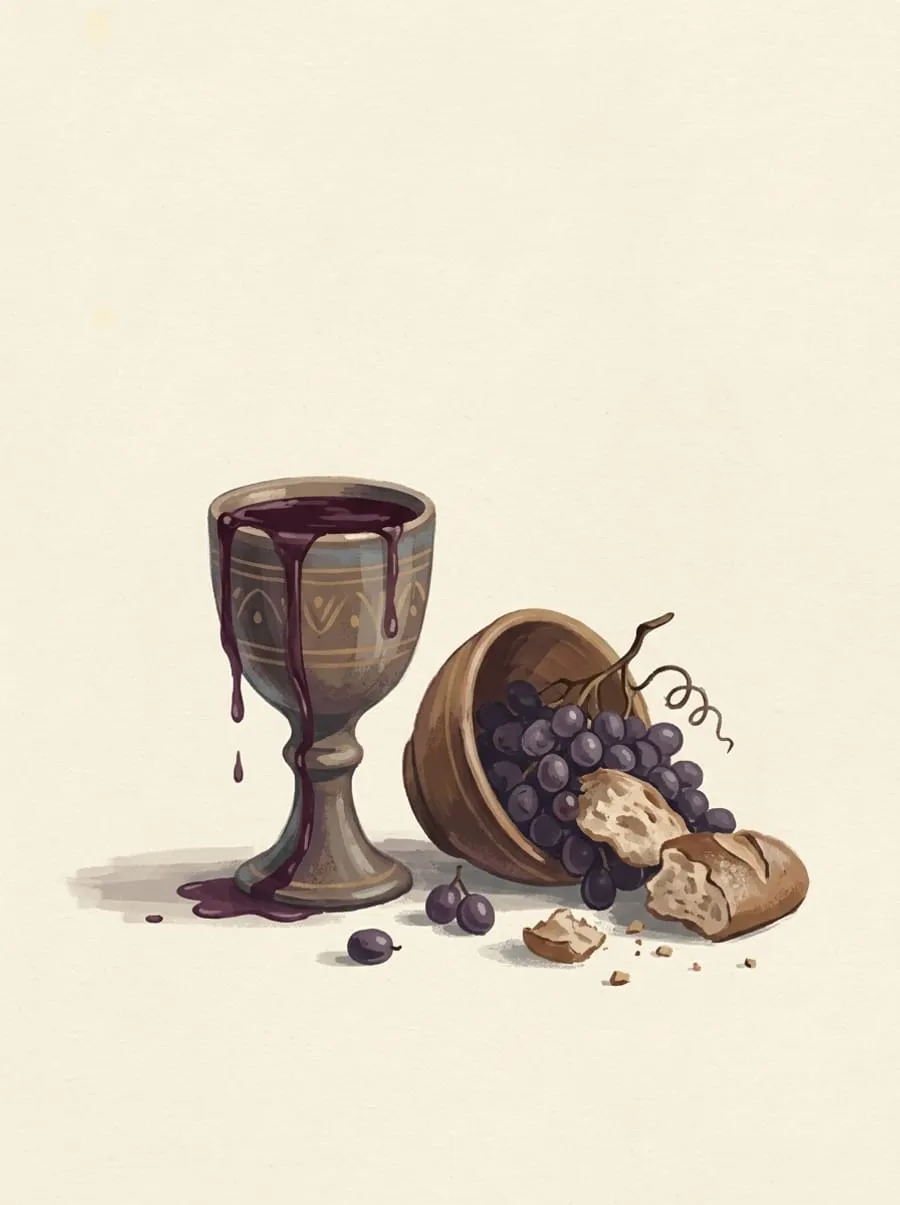
Still life of an overturned wine goblet and clustered grapes on cream paper, symbolizing Gluttony.
Opposing sin: Gluttony Gula · Symbol of Temperance: Two pouring vessels
Symbol: Two pouring vessels
Seated lavender-robed figure watching sand fall inside a glass hourglass on cream paper, symbolizing Patience.
06 Patientia Opposes Wrath

Patience

Steadiness under delay, frustration, or provocation without retaliating in anger.

Daily habit: Pause before replying to sharp messages and focus on solving the problem rather than settling scores.

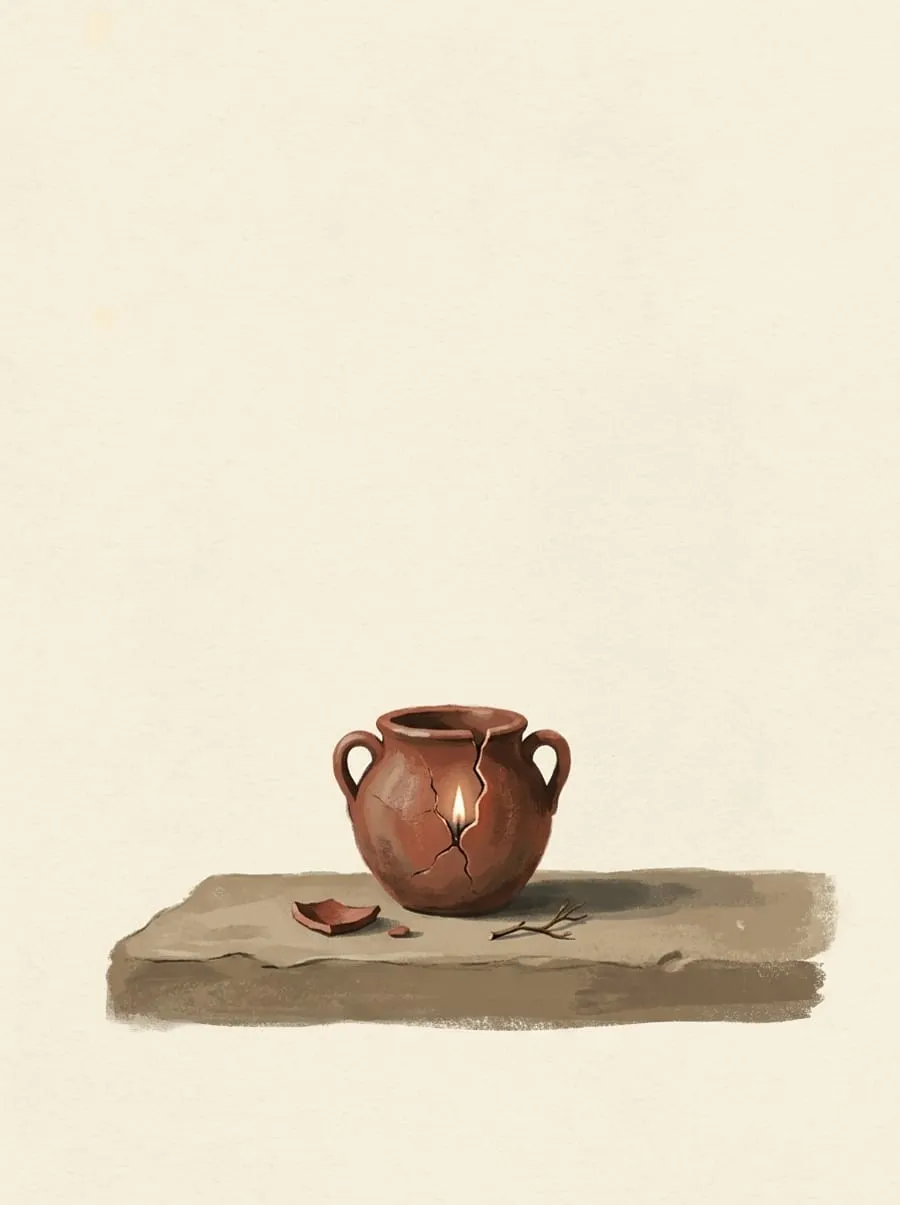
Still life of a cracked terracotta vessel emitting bright sparks and flame on cream paper, symbolizing Wrath.
Opposing sin: Wrath Ira · Symbol of Patience: Hourglass
Symbol: Hourglass
Amber-robed figure holding a woven beehive with honeybees on cream paper, symbolizing Diligence.
07 Diligentia Opposes Sloth

Diligence

Consistent care, initiative, and follow-through on meaningful responsibilities without needless delay.

Daily habit: Begin promised work promptly, break tedious tasks into concrete steps, and finish what you start.

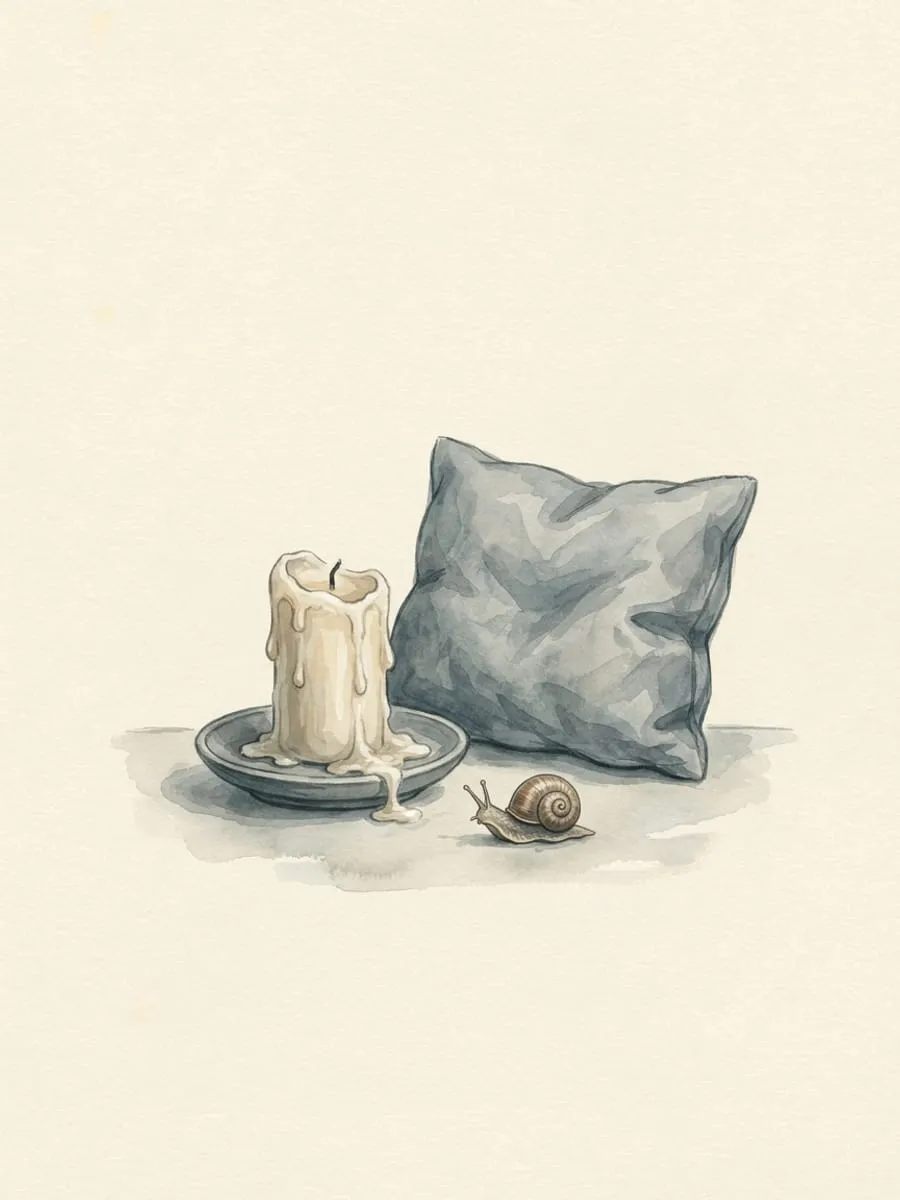
Still life of a melting candle, soft cushion, and slow snail on cream paper, symbolizing Sloth.
Opposing sin: Sloth Acedia · Symbol of Diligence: Woven beehive
Symbol: Woven beehive
Virtue Tradition
Detail View
Selected Virtue
Humility
Latin Term & Pairing
Humilitas — Opposes Pride (Superbia)
Definition & Context
An honest view of one’s strengths and limits without seeking status or taking sole credit. Historical note: Paired against pride by Prudentius in the 5th-century Psychomachia and Pope Gregory I in AD 590.
Everyday Practice
Admit errors promptly, ask genuine questions, and credit teammates when group work succeeds.
Complete 7 Virtues Table
VirtueLatinOpposing SinCore Meaning
HumilityHumilitasOpposes Pride (Superbia)An honest view of one’s strengths and limits without seeking status or taking sole credit.
CharityCaritasOpposes Greed (Avaritia)Unselfish love and practical generosity that shares time, attention, or goods with others.
ChastityCastitasOpposes Lust (Luxuria)Self-governance over desire so attraction stays aligned with respect, loyalty, and personal boundaries.
KindnessHumanitasOpposes Envy (Invidia)Active goodwill and gratitude that rejoices in another person’s success rather than resenting it.
TemperanceTemperantiaOpposes Gluttony (Gula)Measured restraint over appetite and pleasure so enjoyment stays within healthy, chosen limits.
PatiencePatientiaOpposes Wrath (Ira)Steadiness under delay, frustration, or provocation without retaliating in anger.
DiligenceDiligentiaOpposes Sloth (Acedia)Consistent care, initiative, and follow-through on meaningful responsibilities without needless delay.

How to Take It

  1. Browse the illustrated seven heavenly virtues cards above and click Inspect in explorer on any virtue to jump straight to its full entry.
  2. Switch Virtue Tradition between the Seven Heavenly Virtues (opposite the seven deadly sins) and the Classical Seven Virtues (four cardinal plus three theological).
  3. Pick any virtue from the dropdown to inspect its Latin name, pairing or category, and core meaning.
  4. Switch Detail View between Meaning & History, Daily Practice, and Compare Lists to update both the summary card and the seven-row reference table.

Sample Result Profiles

Sample Answers Outcome
Humility (Heavenly meaning) Virtue Tradition: Heavenly (vs. Sins) · Select a Heavenly Virtue: Humility (vs. Pride) · Detail View: Meaning & History Selected Virtue: HumilityLatin Term & Pairing: Humilitas — Opposes Pride (Superbia) Shows Humilitas paired against Pride (Superbia) with its Prudentius and Gregory I origin.
Prudence (Classical comparison) Virtue Tradition: Cardinal + Theological · Select a Classical Virtue: Prudence (Cardinal) · Detail View: Compare Lists Selected Virtue: PrudenceLatin Term & Pairing: Prudentia — Cardinal Virtue (1 of 4) Explains why Prudence leads the cardinal virtues yet does not appear by name in the heavenly seven.
Temperance (Shared across both lists) Virtue Tradition: Heavenly (vs. Sins) · Select a Heavenly Virtue: Temperance (vs. Gluttony) · Detail View: Compare Lists Selected Virtue: TemperanceLatin Term & Pairing: Temperantia — Opposes Gluttony (Gula) Highlights Temperantia as one of only two virtues shared across both seven-virtue lists.

How Scoring Works

The explorer stores two verified historical catalogues side by side: the Seven Heavenly (Contrary) Virtues paired against the seven deadly sins, and the Classical Seven Virtues uniting the four cardinal virtues and three theological virtues.

All definitions, Latin names, and historical attributions come from Encyclopaedia Britannica (https://www.britannica.com/topic/seven-virtues and https://www.britannica.com/topic/seven-heavenly-virtues, fetched 2026-11-29), the Catholic Encyclopedia on New Advent (https://www.newadvent.org/cathen/15472a.htm, fetched 2026-11-29), and Wikipedia (https://en.wikipedia.org/wiki/Seven_virtues, fetched 2026-11-29).

Privacy and Access

Price
Free, with unlimited retakes: $0 and no daily cap.
Account
No login and no sign-up required.
Privacy
Everything stays on your device and your answers are never uploaded.
Watermark
No watermark on your profile or result downloads.
Export
Download a vertical Story card or copy a link that opens your exact result.
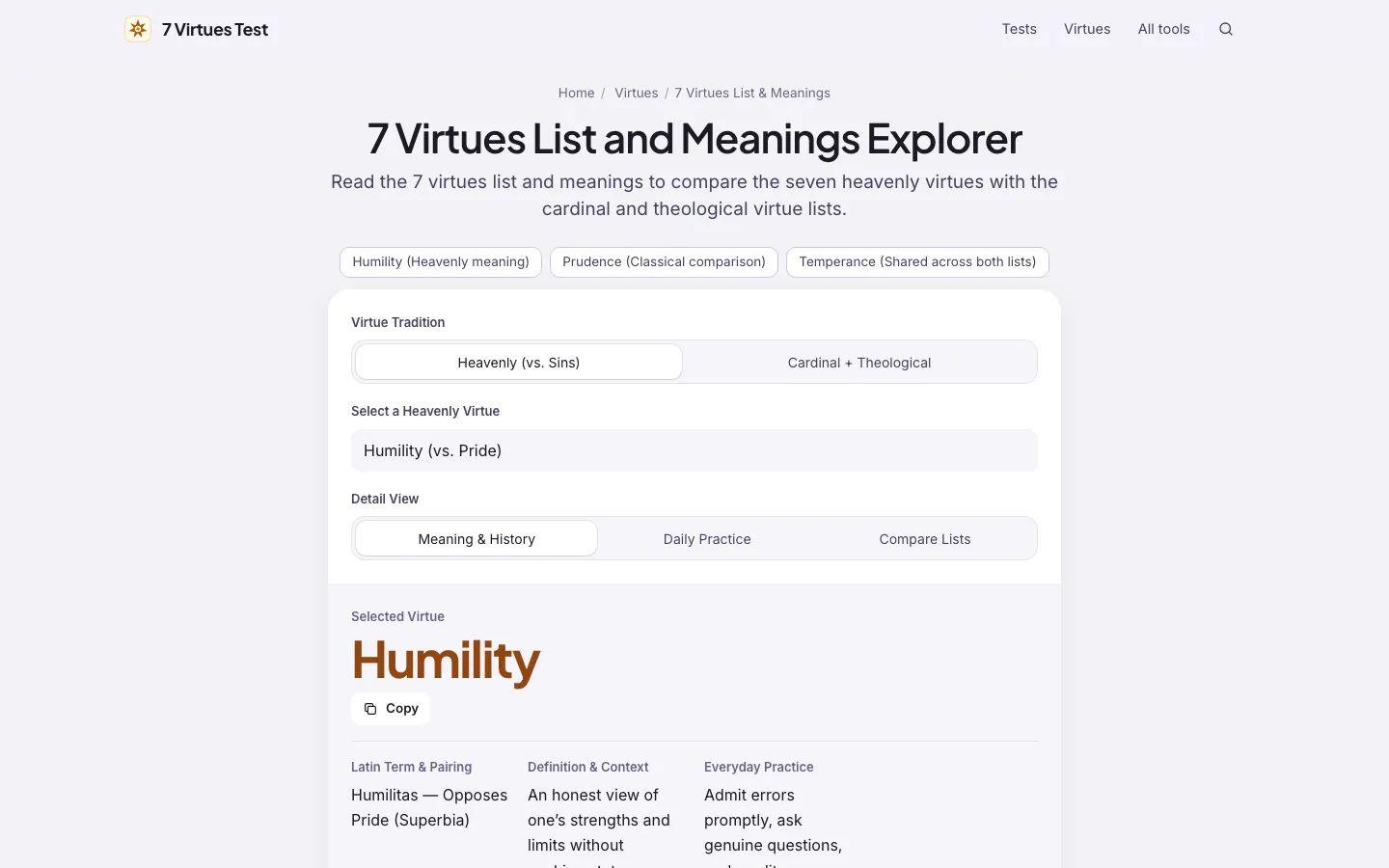
7 Virtues List and Meanings Explorer displaying Humility, Latin term Humilitas, and opposing sin Pride
Interactive 7 Virtues List and Meanings Explorer showing Humility with its Latin term and daily practice.
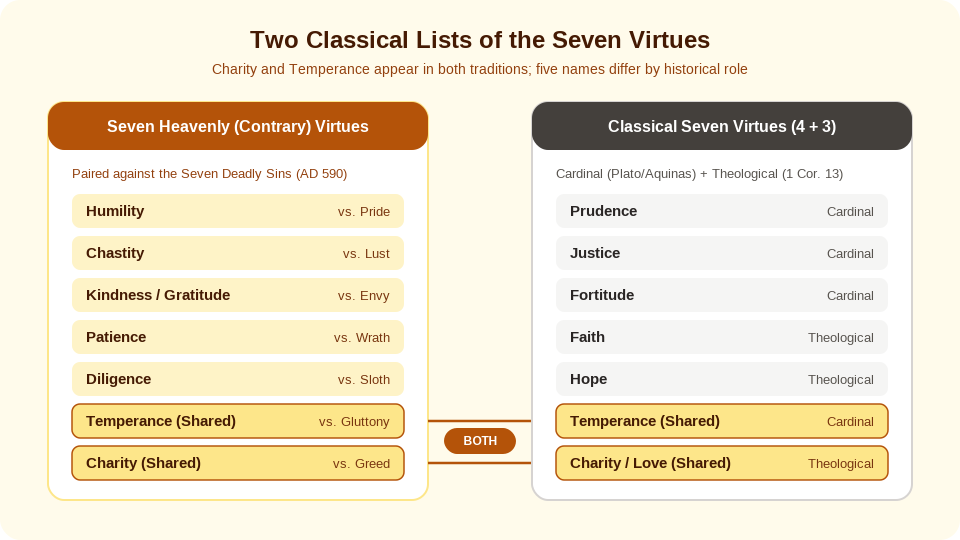
Side-by-side diagram comparing the seven heavenly virtues against the four cardinal and three theological virtues
How the seven heavenly virtues overlap with the four cardinal and three theological virtues on Temperance and Charity.

What Are the Two Lists of the Seven Virtues?

Anyone looking up a 7 virtues list and meanings runs into an immediate surprise: encyclopedias and quizzes do not always name the same seven traits. Both lists are historically authentic, and Encyclopaedia Britannica’s entry on the seven virtues draws a clear line between them:

  1. The Seven Heavenly (Contrary) Virtues: Humility, Charity, Chastity, Kindness (sometimes listed as Gratitude), Temperance, Patience, and Diligence. Each counters one of the seven deadly sins formalized by Pope Gregory I in AD 590, building on Prudentius’s 5th-century poem Psychomachia.
  2. The Classical Seven Virtues (4 Cardinal + 3 Theological): Prudence, Justice, Fortitude, and Temperance—the four “natural” or cardinal virtues (from the Latin cardo, meaning “hinge”) described by Plato and Aristotle—joined with St. Paul’s three theological virtues of Faith, Hope, and Charity (Love) from 1 Corinthians 13.

As the Catholic Encyclopedia entry on Virtue at New Advent explains, medieval thinkers such as St. Thomas Aquinas treated the cardinal virtues as habits humans build through practice, while theological virtues pointed directly toward divine grace. Reference works also swap the “heavenly” label: Encyclopaedia Britannica uses “seven heavenly virtues” for the seven sin-opposing virtues, whereas Wikipedia’s Seven virtues article applies “seven heavenly virtues” to the cardinal-and-theological seven and calls the sin-opposing list the “seven capital” or “contrary” virtues. Later popular culture and modern personality quizzes gravitated toward the contrary virtues list because pairing each virtue with a deadly sin makes everyday trade-offs easy to grasp.

How Do the Seven Heavenly Virtues Compare Side by Side?

Here is the complete seven heavenly virtues reference summarized from Encyclopaedia Britannica and Wikipedia:

Virtue Latin Opposing Sin Core Meaning Shared with Classical 7?
Humility Humilitas Pride Seeing your abilities and limits accurately without chasing status No
Charity Caritas Greed Practical, unselfish love that gives freely to others Yes (Theological)
Chastity Castitas Lust Guiding desire with respect, consent, and kept commitments No
Kindness Humanitas Envy Wishing others well and celebrating their success sincerely No
Temperance Temperantia Gluttony Enjoying good things in measure and knowing when to stop Yes (Cardinal)
Patience Patientia Wrath Bearing delay or provocation without escalating in anger No
Diligence Diligentia Sloth Showing steady care and finishing responsibilities on time No

Only Charity and Temperance appear by name on both lists. Even where names differ, the ideas still connect: Aquinas viewed Patience as a working branch of Fortitude, and classical writers treated Chastity as a specific expression of Temperance.

How Can You Turn These Meanings Into Everyday Reflection?

Reading definitions is a helpful first step, and seeing which habits show up in your own week makes the list concrete. Once you have reviewed the traits above, take the quick 14-question 7 Virtues Test to see which heavenly virtue stands highest in your routine, or try the scenario-based 7 Heavenly Virtues Test to weigh each virtue directly against its opposing deadly sin.

All historical dates, Latin pairings, and definitions in this explorer were verified by the 7 Virtues Test Team on November 29, 2026 using archived pages from Encyclopaedia Britannica, Britannica’s seven heavenly virtues entry, and the Catholic Encyclopedia.


Limits and Caveats

  • Historical sources use slightly different labels for the same slot—for example, Encyclopaedia Britannica uses Gratitude alongside Kindness as the counter-virtue to envy.
  • Summaries here focus on Western classical and Christian moral lists; other traditions, such as Bushido’s seven virtues or Buddhist lists, follow separate frameworks.

Questions People Ask

What are the 7 virtues and their meanings?

In the popular seven heavenly virtues list, they are Humility (honest modesty), Charity (generous love), Chastity (respectful self-governance), Kindness (goodwill toward others), Temperance (moderation), Patience (calm endurance), and Diligence (steady follow-through).

Why are there two different lists called the seven virtues?

Western ethics preserves two distinct sevens: the classical seven combine four cardinal virtues (Prudence, Justice, Fortitude, Temperance) with three theological virtues (Faith, Hope, Charity), while the seven heavenly or contrary virtues directly oppose the seven deadly sins.

Which virtues appear on both seven-virtue lists?

Only two virtues appear by name on both lists: Temperance (a cardinal virtue and the opposite of gluttony) and Charity (the chief theological virtue and the opposite of greed).

Where did the four cardinal virtues originally come from?

According to Encyclopaedia Britannica, the four natural or cardinal virtues—prudence, temperance, fortitude, and justice—trace back to Socrates, Plato, and Aristotle before St. Ambrose, St. Augustine, and St. Thomas Aquinas adopted them into Christian ethics.

Where do the three theological virtues come from?

Faith, hope, and love (often translated as charity from the Greek agape) come directly from St. Paul’s First Letter to the Corinthians, chapter 13, which singles out love as the greatest of the three.

Which list is used by viral 7 virtues tests online?

Most online 7 virtues tests—including the TikTok trend and our own homepage quiz—use the seven heavenly (contrary) virtues paired against the seven deadly sins because each trait maps neatly onto everyday habits.

Updated Written and verified by 7 Virtues Test Team

Try Next

Ask AI about 7 Virtues Test

llms.txtllms-full.txt